Petcartel BG
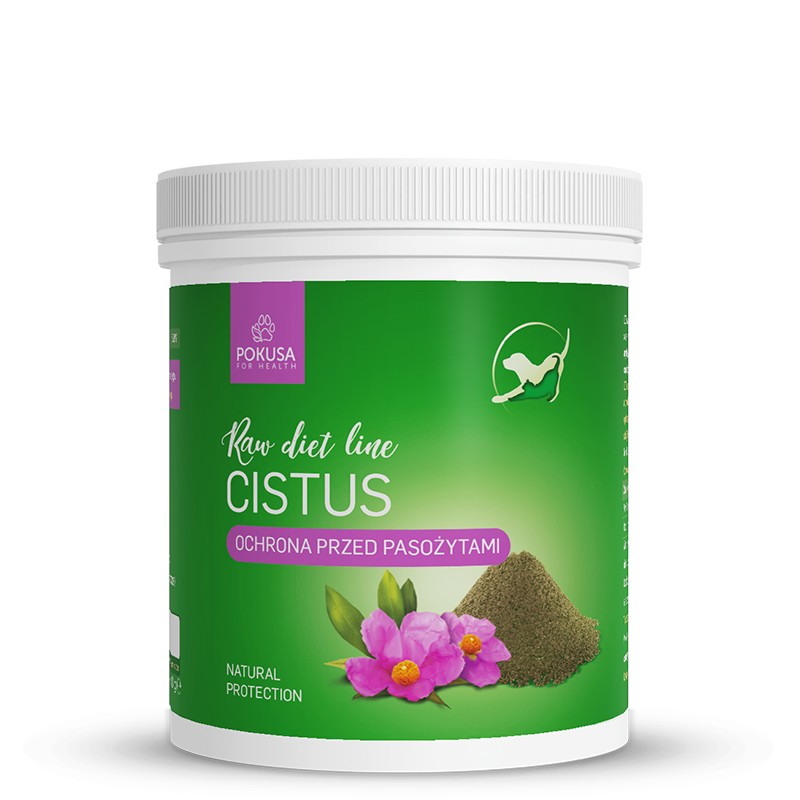
Raw Diet Line Cistus - 500g - protects against external parasites, boosts immunity, suitable for dogs with allergies
Raw Diet Line Cistus - 500g - protects against external parasites, boosts immunity, suitable for dogs with allergies
Не може да се зареди възможността за взимане
Cistus: A unique ingredient for animal health
Grey cistus (Cistus incanus) - an evergreen shrub and a unique type of cistus, which, unlike the common cistus found in Poland, grows on fertile volcanic soils. Due to this, it contains many essential oils, tannins, resins, phenolic acids and flavonoids in high concentrations (substances that support the body of both humans and animals). Essential oils are aromatic mixtures of organic chemical compounds found in plants or their parts - for example, leaves, fruits, flowers, rhizomes, roots, seeds and bark.
Cistus can be given to all dogs and cats, as well as puppies and kittens, pregnant and lactating bitches. The best effect is observed when the preparation is used for a minimum of 8 weeks.
Many of its properties have been confirmed by tests (for example, the in vitro method, in which the antimicrobial activity against several strains of fungi and bacteria was evaluated). Extracts and infusions of cistus have been used in traditional medicine in the Middle East, especially in Turkey. They have been used, among others, for gastrointestinal disorders (diarrhea and peptic ulcer).
Detailed information about the composition, components and their application
Cistus is characterized by a high content of plant polyphenols, in particular flavonoids (including quercetin, kaempferol), ellagitannoids (including punicalagin, cystusin), phenolic acids (gallic acid, ellagic acid) - strong antioxidants. The presence of these compounds determines the health and therapeutic properties of cistus leaves. They neutralize free radicals that contribute to cell damage and the development of many non-communicable diseases (e.g. cancer, neurodegenerative diseases, diabetes).
Free radicals have a great impact on the health of living organisms. These are reactive oxygen species, necessary for proper functioning. Their excessive amounts disrupt the metabolic balance of the body, lead to oxidative stress and therefore to many different diseases. Oxidative stress is a state of imbalance in the body, the so-called homeostasis.
Antioxidants support the immune system, inhibit the onset and development of inflammation and infections, and improve lipid and glucose metabolism (in the context of diseases such as diabetes).
Cistus can relieve symptoms of allergic reactions that cause inflammation in the body. Many scientific studies have confirmed properties such as antibacterial, antiviral (labdanum oleoresin and essential oil), antifungal and antispasmodic properties. C. Incanus supports the treatment of gastrointestinal diseases.
Scientific confirmation of the role of Cistus in reducing oxidative stress
Studies have also been conducted on the effect of Cistus aqueous extract on oxidative stress, which is one of the factors in the development of cardiovascular diseases. The results allow us to conclude that it may reduce the risk of developing this type of disease.
Natural essential oils are known for their unique properties. Some of them work great as insect repellents. For example, lavender oil and peppermint oil have a repellent effect against some insects (mosquitoes, flies, ticks). Lavender also has analgesic, antimicrobial, antiseptic and soothing properties. Lavender has also been shown to be active against various bacteria. In turn, tea tree oil has a bactericidal effect and relieves symptoms at the site of the bite.
Please remember that essential oils are only safe for animals in appropriate concentrations and proportions. If we are not sure about the type and concentration of the oil, it is best to use ready-made products. We must also remember that not all oils are safe for our pets. Due to their phenol content, the following oils are particularly dangerous for cats: citrus, pine, ylang-ylang, cinnamon, clove, eucalyptus and tea tree essential oils.
Cistus can be safely introduced into a dog or cat's diet, regardless of whether the animal is fed a commercial diet (dry, wet, semi-moist food), cooked (so-called homemade), BARF diet based on raw products (meat, offal, bones, vegetables) or Whole Pray diet (a feeding model based on providing real victims, whole carcasses).
Instructions for use and safety recommendations
No side effects have been reported from the use of cistus, but it should be used in accordance with the manufacturer's recommendations. A contraindication to its use is allergy to cistus. However, we cannot ignore the potential impact of cistus on the absorption of nutrients and drugs from the digestive tract, as is the case with other herbs.
Application/24 hours
Dogs: 1 measuring cup/10 kg body weight
Cats: 1 scoop
The spoon is in the package.
How to use: mix with food.
The best effect is observed when the product is used for 10 weeks.
Storage: store in the original packaging at room temperature, in a dry and dark place, away from children.
Composition: 100% cistus incanus L.
Analytical ingredients/100 g:
Crude fiber: 15.8%
Made in Poland. Country of origin of raw material: Turkey
Form: powder
Share